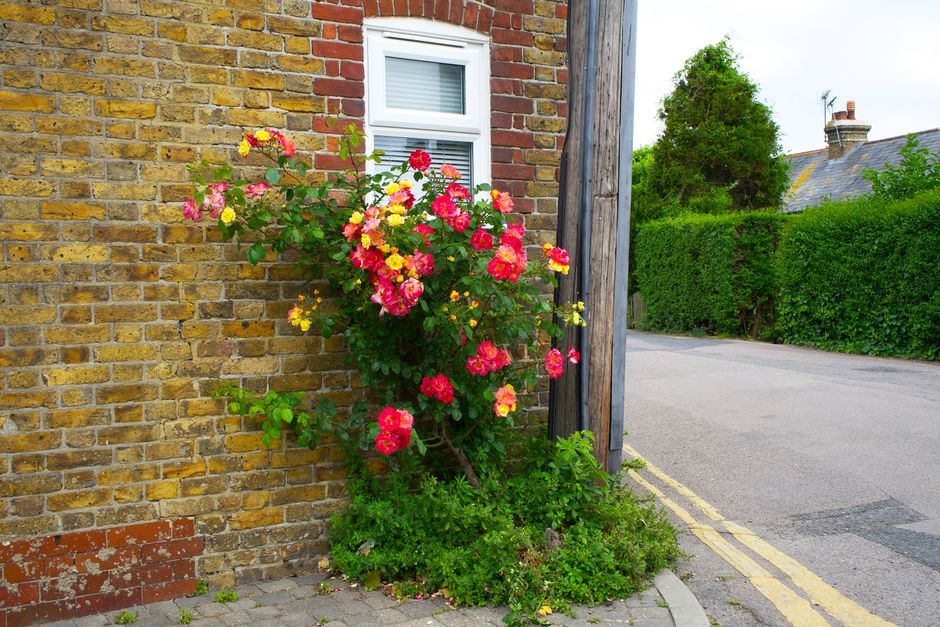
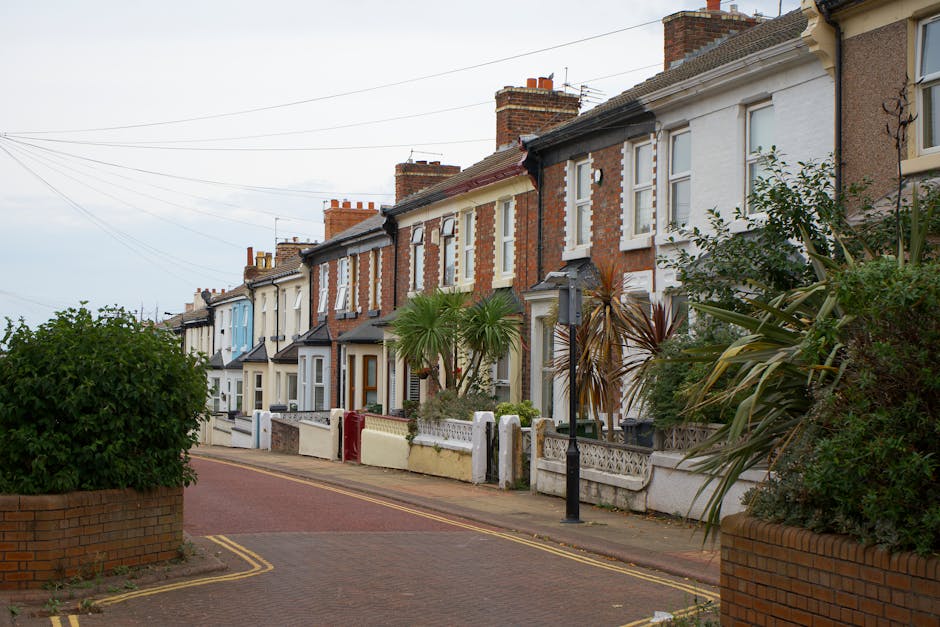
Leyton High Road gardeners guide for small front gardens
If you live near Leyton High Road, you already know the front of a house has to work hard. It is the first thing people see, the bit that takes the rain, the pavement dust, the parcel deliveries, the bikes leaning against the railings, all of it. A small front garden can feel tricky at first, but with the right approach it can look tidy, welcoming, and surprisingly spacious. This Leyton High Road gardeners guide for small front gardens is here to help you make sensible choices that suit London living, not some idealised show garden you only see in magazines.
Whether you want more kerb appeal, less upkeep, or a front space that simply feels calmer when you step outside in the morning, the basics are the same: choose plants that behave well, keep the layout simple, and make every square metre earn its keep. Let's face it, a tiny front plot can turn into a clutter magnet if you let it. The good news? It can also become the neatest, most charming part of the property.
For readers comparing broader services, it can help to see how this sits alongside garden maintenance, landscape gardening, and practical services overview options. But this guide stays focused on the realities of a small front garden in Leyton: narrow paths, mixed shade, compact soil, limited storage, and the need for a design that still looks good in February. Not just June, when everything is showing off.
Table of Contents
- Why this matters for Leyton High Road front gardens
- How a small front garden approach works
- Key benefits and practical advantages
- Who this is for and when it makes sense
- Step-by-step guidance
- Expert tips for better results
- Common mistakes to avoid
- Tools, resources and recommendations
- Law, compliance, standards, or best practice
- Options, methods, or comparison table
- Case study or real-world example
- Practical checklist
- Conclusion
- Frequently asked questions
Why Leyton High Road gardeners guide for small front gardens Matters
Small front gardens are often underestimated. People think, "It's only the front patch," and then wonder why it always looks untidy. In a busy stretch like Leyton High Road, though, that front space does a lot of visual work. It frames the house, softens brickwork, and gives the whole property a more cared-for feel. On a street with constant movement, a well-kept front garden quietly says, this place is looked after.
There is also a practical side. A small front garden can be easier to manage than a larger rear garden, but only if the planting and layout are sensible. Get it wrong and you end up with overgrown shrubs blocking the path, plants flopping into the pavement, or a mini jungle that looks great for two weeks and chaotic for the rest of the year. Get it right, and maintenance becomes quick, predictable, and much less stressful.
That matters for homeowners, landlords, and anyone thinking about long-term value. A neat front garden can improve first impressions without requiring a huge budget. It can also make everyday life easier: clearer access to the door, less weeding, less leaf build-up, and fewer awkward corners where rubbish or clutter collects. Small space, big difference.
Key takeaway: for a small front garden on or near Leyton High Road, the best design is usually the one that looks tidy all year, not the one with the most plants or the most complicated layout.
How Leyton High Road gardeners guide for small front gardens Works
The basic idea is straightforward: assess the space honestly, decide what the garden needs to do, then build a simple structure around that. A front garden might need to provide privacy, drainage, path access, a bit of planting, or all of those at once. The trick is not to overload it.
In small London front gardens, you usually work in layers. First comes the hard landscape: path, edging, possibly a low wall, step, gate, or boundary treatment. Then comes planting, which should support the shape rather than fight it. Finally, you add the maintenance plan. Yes, that third part matters. A good design without a realistic upkeep routine is just a future headache wearing a nice hat.
In practice, the best front gardens near Leyton High Road tend to use compact planting groups rather than scattered individual pots. One or two strong features often look better than six things trying to be noticed. Think structural shrubs, resilient evergreens, seasonal colour in small doses, and surfaces that are easy to sweep. If the garden gets foot traffic or sits close to the street, the design also needs to be tough enough to handle dust, wind, and the odd careless shoe scuff.
For some homes, the answer is a light refresh. For others, it may mean a deeper reset involving garden clearance before anything new can go in. That is often the sensible first step when the space has become too crowded or the soil is hidden under years of buildup.
Key Benefits and Practical Advantages
A well-planned small front garden delivers more than curb appeal, though that is certainly part of it. The benefits are practical, visual, and honestly, a bit psychological too. You come home to a place that feels sorted. That matters more than people admit.
- Better first impressions: A tidy front garden makes the whole property feel more welcoming.
- Lower maintenance: Small, deliberate planting is usually easier to care for than a random mix of oversized shrubs and tired containers.
- More usable space: Clear paths and sensible borders make the garden feel larger.
- Improved year-round structure: Evergreens and hard landscaping keep the space looking presentable in winter.
- Reduced clutter: A simple scheme discourages the slow creep of odds and ends that small spaces are so prone to.
- Better drainage and access: Thoughtful layout can make puddles, mud, and awkward stepping much less of an issue.
There is another benefit that gets overlooked: confidence. Once a front garden is under control, it is easier to keep it under control. You stop putting things off because the job no longer feels enormous. A quick prune here, a sweep there, done.
If you are balancing front-garden work with the rest of the property, related services such as lawn mowing and hedge trimming can be useful where the design includes turf, boundary planting, or a small clipped hedge. But the main point is this: the smaller the space, the more every decision counts.
Who This Is For and When It Makes Sense
This guide is for anyone dealing with a compact front garden along Leyton High Road or in the nearby streets where space is tight and standards are visible from the pavement. It is especially relevant if you want the garden to look good without demanding a full weekend every fortnight.
You will probably find it useful if you are:
- a homeowner wanting a better-looking entrance without a complete rebuild
- a landlord aiming for a more presentable rental exterior
- someone preparing to sell and needing a neater first impression
- new to gardening and wanting something manageable rather than ambitious
- dealing with an overgrown front patch that has become awkward or unsafe
- looking for a practical update before investing in larger landscaping work
It also makes sense if you have a front garden that feels visually weak. Maybe it has too many pots, maybe the plants have grown too large, or maybe the whole thing just lacks shape. You do not always need more plants. Sometimes you need fewer, better-placed ones.
And if the front area is being used as a bin storage zone, bike park, or overflow storage for things that somehow never move indoors, then yes, this guide applies even more. Truth be told, those are the gardens that usually benefit most from a rethink.
Step-by-Step Guidance
Here is a practical way to approach a small front garden without making it harder than it needs to be. Take it one stage at a time. No drama.
1. Start with a proper clear-out
Remove dead plants, broken pots, forgotten garden ornaments, and anything that no longer belongs there. If the space is badly overgrown, consider a deeper reset first. A clean base helps you see what the garden actually is, not what it used to be three summers ago.
2. Measure the usable space
It sounds obvious, but people often skip this. Measure the width of paths, planting beds, and door access. In a small garden, a few centimetres matter. You want enough room to move comfortably, especially if you carry shopping, push a buggy, or share the entrance with neighbours.
3. Decide the main purpose
Ask yourself: do you want more privacy, less upkeep, better colour, or just a smarter entrance? A front garden should have one main job and maybe one supporting job. If it tries to do everything, it usually ends up doing nothing well.
4. Choose a simple layout
For small front gardens, simplicity wins. Straight lines, gentle curves, or a single clear border can be enough. Try not to fragment the space into tiny zones. The eye reads fragmentation as clutter. The body reads it as awkward. Both are annoying.
5. Pick plants that suit the conditions
Look at sunlight, shade, wind exposure, and soil type. Near a road, plants often need to cope with dryer conditions and occasional grime. Compact evergreens, hardy perennials, and plants that hold shape well are often more reliable than delicate, high-maintenance choices.
6. Keep the palette limited
Two or three main plant types can look better than a mixed bag of ten. Repetition creates calm. A repeated low shrub, a few seasonal flowers, and perhaps one statement plant can be enough.
7. Build in easy maintenance
Choose edging that makes mowing or sweeping easier. Leave access to watering points if you use them. Keep the most demanding plants where you can reach them without a struggle. If you cannot maintain the design comfortably, it will start slipping. That's just how it goes.
8. Finish with a maintenance rhythm
Set a simple routine: sweep, check for weeds, deadhead if needed, trim lightly, and review once a season. Small gardens stay handsome when they are noticed regularly. They do not need constant fussing, but they do need attention.
Expert Tips for Better Results
In our experience, the best small front gardens on streets like Leyton High Road are the ones that look quietly confident. Not flashy. Just settled. Here are a few techniques that tend to work well.
- Use height carefully: One taller plant or slim feature tree can add depth, but too much height can swallow the space.
- Repeat materials: Matching edging, pots, or paving tones makes a compact garden feel more unified.
- Choose structure first: Evergreen form matters more than a burst of short-lived colour.
- Think in all seasons: Ask yourself what the space looks like in February, not just July.
- Leave breathing room: Empty space is not wasted space. In a small front garden, it can be what makes the design feel elegant.
- Use containers sparingly: One or two well-placed planters can be effective, but too many quickly become clutter.
A small trick that often helps: stand back from the pavement and look at the garden as a passer-by would. If your eye has nowhere to rest, the design is probably too busy. If one feature leads the eye naturally to the door, you are closer to the mark.
Also, do not underestimate the power of clean edges. A crisp border, tidy path, and weed-free threshold can make a modest garden look far more intentional. People notice that sort of thing, even if they do not say it out loud.
Common Mistakes to Avoid
Small front gardens tend to fail for the same reasons again and again. The good news is that most of them are easy to avoid once you know what to watch for.
- Overplanting: Too many plants create crowding, competition, and maintenance headaches.
- Choosing fast growers without a plan: What looks neat in spring can become unruly by midsummer.
- Ignoring access: A beautiful border is not much use if it blocks the path to the front door.
- Using too many different materials: Mixed styles can make a tiny space feel even smaller.
- Neglecting drainage: Wet patches, soggy soil, or poor run-off can undermine the whole space.
- Forgetting winter appearance: Bare soil and dying annuals can make the garden look neglected for months.
- Letting maintenance become optional: In a small garden, "I'll do it next weekend" tends to snowball quickly.
There is also the classic mistake of designing for the plant lover in you rather than the life you actually lead. If you work long hours, travel, or simply want weekends back, a high-maintenance border is probably not the best fit. No shame in that. A garden should suit your real routine, not an idealised version of it.
Tools, Resources and Recommendations
You do not need a van full of kit to manage a small front garden well. A modest, reliable set of tools is usually enough. What matters more is using them regularly and storing them somewhere easy to reach.
| Tool or resource | Why it helps | Best for |
|---|---|---|
| Hand trowel and fork | Useful for planting, weeding, and small soil jobs | Tight borders and containers |
| Bypass secateurs | Makes clean cuts on small stems and shrubs | Routine pruning |
| Stiff broom or leaf sweeper | Keeps paths and edges tidy | Front-of-house presentation |
| Lightweight watering can or hose | Helps establish new planting | Dry spells and new beds |
| Soil improver or compost | Improves tired planting areas | Refreshing compact beds |
| Simple edging material | Defines the space and reduces straggly growth | Small front garden structure |
If the job feels bigger than a tidy-up, professional support may be worth considering. A service focused on garden maintenance can help keep the garden in shape through the year, while pricing and quotes information is useful when you are trying to compare scope and cost before making a decision.
For older, tired gardens or spaces that have been neglected, some people prefer to begin with a clear-out and then rebuild. Others start with hedge lines, lawn edges, or small hardscape improvements. There is no single right order, just the one that makes the most sense for your site and budget.
Law, Compliance, Standards, or Best Practice
For a small front garden, the main compliance issues are usually practical rather than highly technical. Still, a little caution goes a long way.
If your garden borders a public pavement, make sure no plant, wall, or feature creates an obstruction or makes access awkward. Overhanging growth should be kept under control, and anything close to the boundary should be positioned with care. In shared or terraced settings, it is wise to check boundary lines before making changes to walls, fences, or hard landscaping. That avoids awkward conversations later. Nobody wants those.
If you are adding lighting, steps, or structural elements, use sensible installation standards and safe materials. Slips and trips are a real concern on small front paths, especially in wet weather. Choose surfaces that are stable, visible, and suitable for outdoor use. In shady spots, algae can build up more quickly than people expect, so regular cleaning matters.
Where work involves heavy lifting, tree removal, or significant pruning, safe working practice matters too. A responsible contractor should be properly insured and follow sensible health-and-safety procedures. If you are comparing providers, it is worth looking at insurance and safety and health and safety policy information before making a booking.
Recycling and responsible green waste handling are also part of best practice. Small front gardens may produce less waste than larger spaces, but branches, soil, and plant cuttings still need to go somewhere sensible. A thoughtful approach to disposal keeps the project tidy from start to finish, not just in the middle.
Options, Methods, or Comparison Table
There are a few common ways to improve a small front garden, and the best choice depends on your goals. Some people want a complete transformation. Others just want the place to stop looking tired. Here is a simple comparison to help you decide.
| Approach | What it includes | Best for | Trade-off |
|---|---|---|---|
| Light tidy-up | Weeding, pruning, edging, sweeping, replanting a few gaps | Gardens that are basically healthy but messy | Limited visual change if the layout is poor |
| Reset and rebuild | Clearance, new borders, fresh planting, maybe new edging | Overgrown or awkward spaces | More time and cost up front |
| Low-maintenance redesign | Fewer plants, stronger structure, easy-care materials | Busy homeowners and landlords | Less seasonal variety, but far easier upkeep |
| Feature-led update | One strong element such as a statement pot, boundary shrub, or paving change | Small gardens needing a focal point | Needs restraint so it does not feel overdone |
For many homes, the low-maintenance redesign is the sweet spot. It is practical, it ages well, and it avoids the "too much happening" problem that small gardens so often get caught up in. But if your front area is badly neglected, a proper reset may be more cost-effective in the long run.
Case Study or Real-World Example
Imagine a narrow front garden near Leyton High Road with a short path, two tired shrubs, patchy soil, and three plastic pots that have clearly seen better days. The space is not broken, but it feels apologetic. You open the gate, take one look, and think, yes, this could do with a bit of love.
The first step would be clearing out the clutter and cutting back the shrubs so the path feels open again. Next, the soil would be improved and edged cleanly so the garden has a defined shape. Then, instead of filling every gap, you might choose one evergreen structure plant, a small cluster of hardy perennials, and a simple container near the entrance for seasonal interest. Nothing wild. Nothing fussy.
That kind of change often has a bigger effect than people expect. The house looks brighter from the pavement. The entrance feels calmer. Maintenance becomes a quick weekly task rather than a monthly battle. And yes, it still looks good when the rain has been doing its thing for a few days, which in London is never a bad test.
We have seen small front gardens transform most successfully when the owner stops aiming for "more" and starts aiming for "clearer." That shift makes all the difference.
Practical Checklist
Use this checklist before, during, or after improving a small front garden on Leyton High Road.
- Clear away dead plants, broken items, and loose clutter
- Measure path width and planting space accurately
- Decide the garden's main job: privacy, presentation, or low maintenance
- Check sunlight, shade, and wind exposure
- Choose a simple layout with enough breathing room
- Limit the number of plant types used
- Include at least one evergreen or year-round feature
- Keep access to the front door easy and safe
- Refresh soil where planting has become tired
- Use edging or borders to keep the design neat
- Set a seasonal maintenance routine
- Review drainage, slippery areas, and overhanging growth
If the list feels manageable, you are in good shape. If it already feels like too much, that is often a sign the space needs a more substantial reset before it can become easy again.
Conclusion
A small front garden does not need to be big to be effective. In fact, some of the smartest gardens are the smallest ones, because every choice has to work a bit harder. That is especially true on and around Leyton High Road, where a tidy entrance can make a property feel more welcoming, more organised, and more alive without needing a huge investment.
The best results usually come from restraint, not excess. A clear layout, durable planting, sensible access, and a realistic maintenance plan will almost always beat a crowded design that looks impressive for five minutes and then starts misbehaving. Start with the structure, then layer in the details. Keep it honest, keep it simple, and keep it maintainable.
If you are ready to turn a cramped or cluttered front space into something calmer and more polished, the next step is usually a conversation about what the garden needs most: a refresh, a proper clearance, or a low-maintenance redesign that actually fits your life.
Get a free quote today and see how much you can save.
Small spaces can be lovely. Really lovely. And once the front garden starts working for you, the whole home feels a little easier to love.
Frequently Asked Questions
What is the best layout for a small front garden on Leyton High Road?
A simple layout usually works best. Keep a clear path to the door, use one main planting border, and avoid overcomplicating the design with too many separate zones.
How do I make a tiny front garden look bigger?
Use clean lines, repeat a small number of plants, keep clutter down, and leave some open space. A tidy, unified design tends to feel larger than a crowded one.
What plants work well in a small London front garden?
Hardy, compact, low-maintenance plants usually perform best, especially ones that handle mixed light, pollution, and occasional dry spells. Evergreen structure plus a few seasonal plants is often a good balance.
Do small front gardens need regular maintenance?
Yes, but not necessarily a huge amount. A short, consistent routine of weeding, sweeping, pruning, and checking growth usually keeps the space in good shape.
Should I use pots or planted borders?
Both can work, but planted borders are often easier to keep tidy long term. Pots are useful for flexibility and seasonal colour, though too many can make a small garden feel crowded.
How much should I spend on improving a small front garden?
It depends on the condition of the space and what you want to change. A light tidy-up costs less than a full reset, while structural work and new planting will naturally cost more. A clear quote is the safest way to plan.
Is garden clearance the first step if the space is overgrown?
Usually, yes. If the front garden is badly cluttered or overgrown, clearing it first helps you see the shape, soil, and access points properly before deciding what to keep.
Can a small front garden improve kerb appeal?
Absolutely. Even a modest improvement in edging, planting, and overall tidiness can make the property feel more welcoming and better cared for from the street.
What should I avoid in a very small front garden?
Avoid too many plant types, oversized shrubs, awkward decorative clutter, and any layout that blocks access. In small spaces, simplicity is usually your best friend.
Do I need to worry about overhanging plants near the pavement?
Yes, they should be kept in check so they do not obstruct access or make the frontage awkward. It is a practical issue as much as a visual one.
When is the best time to refresh a front garden?
Spring and early autumn are often good times for planting and redesign work, though tidy-up jobs can be done at any point in the year if the weather allows.
What if I want a low-maintenance front garden but still want it to look nice?
That is very doable. Focus on evergreen structure, hardy plants, simple borders, and easy-clean surfaces. A small, neat design can still have plenty of character without needing constant attention.